

Keep Seniors Fit and Safe with Expert Tips
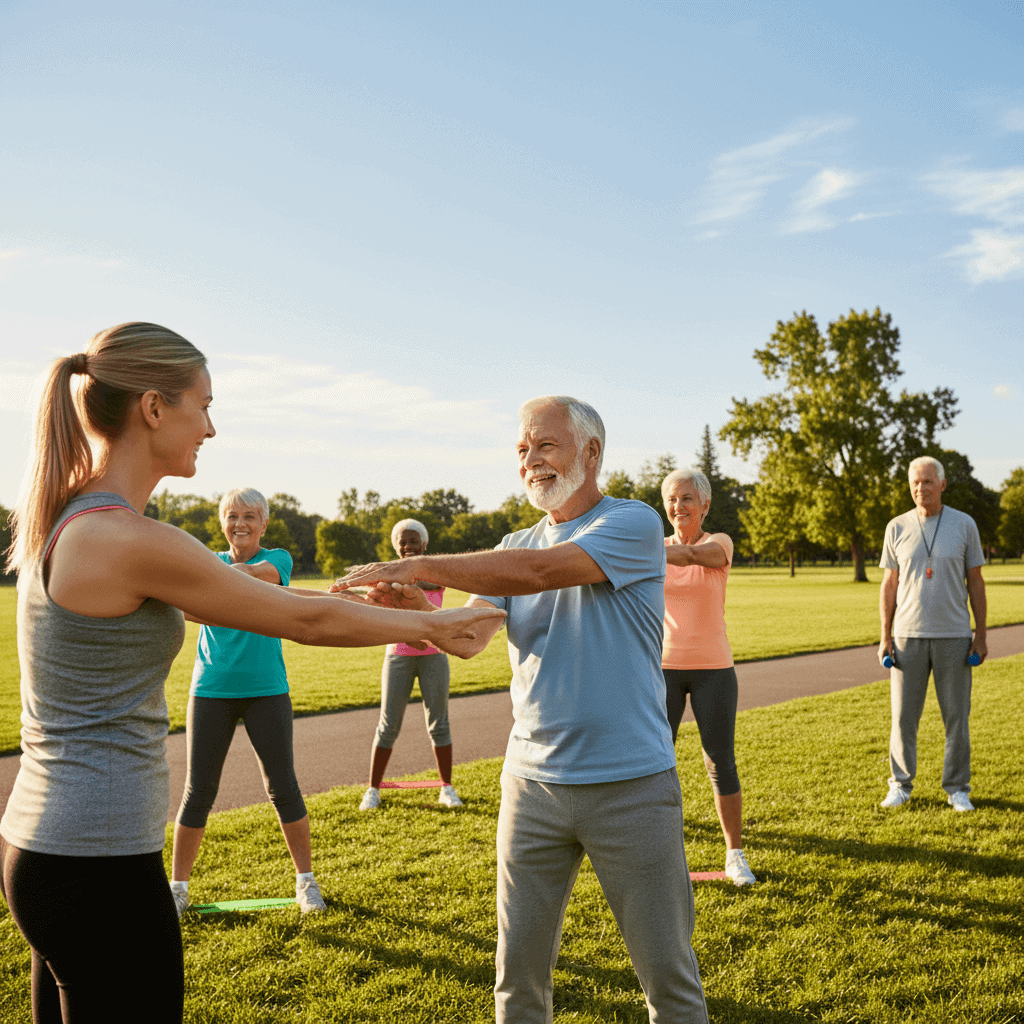
Keeping older adults active and safe is one of the most practical ways to preserve independence and quality of life. Regular movement supports mobility, mood, sleep, heart health, and cognition while safety measures reduce the risk of falls and injuries. This article offers actionable advice you can use right away with clear steps, short routines, and safety checks that work in small spaces and with minimal equipment.
If you are caring for a parent, supervising a fitness class, or planning your own routine, this guide will help you match activity to ability, set realistic goals, and create a safer living environment. Below you will find specific exercises, simple home changes, nutrition guidance, and ways to measure progress so movement becomes a natural part of daily life rather than a chore.
Start with a Health Check and Personalized Goal Setting
Before starting any new physical routine it is important to check in with a health professional. A primary care clinician can review current medications, recent surgeries, chronic conditions, and heart health. This step reduces risk and makes planning more targeted. Ask about any movement restrictions and whether supervised sessions are recommended.
Set a few clear goals that match needs and interests. Examples include walking a set distance without resting, climbing a flight of stairs safely, or holding a single leg balance for a set time. Use short term milestones that build toward longer term aims. Tracking small wins keeps motivation steady.
Build Strength with Safe Resistance Training
Muscle strength declines with age but can be regained with consistent, low risk strength work. Strength supports everyday tasks like rising from a chair, carrying groceries, and maintaining posture. Aim for two sessions per week that focus on major muscle groups.
Beginner strength options
- Chair squats performed by sitting to standing slowly for 8 to 12 repetitions
- Seated or standing heel raises for calf strength using a chair for balance for 10 to 15 repetitions
- Wall push ups for upper body strength starting with 8 to 12 repetitions
- Resistance bands used for rows and shoulder work with light tension and controlled motion
Progression and safety tips
Increase repetitions, add a second set, or use slightly heavier bands when the movement feels easy. Rest for one to two days between strength sessions and stop any exercise that causes sharp pain. Focus on slow, controlled motions and breathing during exertion. Keep a small notebook or an app log of exercises and perceived difficulty to measure progress.
Improve Balance and Reduce Fall Risk
Falls are a leading cause of injury for older adults. Balance training reduces fall risk by improving coordination and reflexes. Short daily practice can make a big difference. Include balance moves within daily routines to build consistency.
Simple balance moves
- Single leg stands near a sturdy surface for support starting with 10 to 15 seconds per side
- Heel to toe walk along a hallway for 10 to 20 steps
- Side stepping and gentle grapevine steps to challenge lateral control
- Tandem stands placing one foot directly in front of the other while holding for as long as comfortable
When to seek a professional
If dizziness, frequent near misses with falls, or unexplained unsteadiness appear, consult a physical therapist or a balance specialist. A therapist can provide targeted drills, gait training, and equipment recommendations such as a walking cane or a walker when needed.
Maintain Flexibility and Joint Health
Flexibility supports safe movement and reduces stiffness. Incorporate short mobility sessions most days of the week with a focus on areas that often tighten with age. Gentle stretching after a warm up or at the end of a walk helps maintain range of motion.
- Neck rotations and shoulder circles to reduce upper body tension
- Seated hamstring stretches using a towel for a gentle pull
- Hip openers lying on the back with knees bent to preserve comfortable walking mechanics
- Ankle circles to preserve balance related motion
Warm up first with five minutes of light movement such as marching in place. Hold each stretch 15 to 30 seconds and repeat two to three times. Stop if you feel sharp pain.
Nutrition and Hydration for Active Later Life
Food fuels movement and supports muscle maintenance. Protein intake is especially important when building or maintaining muscle mass. Aim for protein-rich foods at each meal such as eggs, lean poultry, dairy, beans, or tofu depending on preferences and dietary restrictions.
- Include a source of lean protein at breakfast to support daily activities
- Balance meals with colorful vegetables and whole grains for sustained energy
- Watch medications that may affect appetite or hydration and discuss alternatives with a clinician
- Keep a water bottle handy and sip throughout the day to avoid mild dehydration that can affect balance and cognition
If weight changes are rapid, or there is a concern about undernutrition, work with a registered dietitian who can plan meals that meet calorie and protein needs while taking tastes and budget into account.
Home Safety and Practical Mobility Modifications
Simple changes at home reduce common hazards that lead to trips and falls. Regularly review high risk areas and make low cost updates that pay back in safety and confidence.
- Clear pathways of clutter and secure area rugs with non slip backing
- Improve lighting in hallways and stairways with brighter bulbs and night lights
- Install grab bars in bathrooms and a non slip mat inside the shower
- Rearrange frequently used items to avoid reaching on tip toes or climbing on stools
For a useful reference on practical planning that covers both movement and living space considerations see this resource on senior fitness and safety which outlines seven targeted actions caregivers and older adults can implement right away.
Create a Regular Routine and Keep Motivation High
Consistency is the single best predictor of improvement. Set a weekly schedule that blends strength, balance, walking, and flexibility and treat those sessions as important appointments. Small sessions spread across the day often work better than long workouts.
- Use calendar reminders or partner up with a friend for accountability
- Integrate movement into household tasks such as standing on one foot while brushing teeth to work balance
- Keep sessions short and sweet with five to ten minutes of focused work when time is limited
- Celebrate non scale victories like being able to carry groceries without a second trip
Technology can help. A step counter, a simple pedometer, or a watch with activity tracking gives objective feedback that can motivate gentle increases in daily activity. Group classes at community centers add social connection that supports adherence and mood.
Monitoring Progress and When to Adjust the Plan
Measure what matters to know if a routine is working. Simple tests repeated monthly show progress and point to areas that need more work. Examples include timing a comfortable paced walk for a fixed distance, recording the number of chair rises in 30 seconds, and noting how long a single leg balance can be held.
- Keep a short log of exercise type duration and perceived exertion
- Note changes in daily life such as reduced joint soreness or easier stair climbing
- If pain or increased fatigue occurs, reduce intensity and consult a clinician for guidance
Adjust the plan if goals are met or if new health events arise. Flexibility in programming keeps activity safe and relevant. If mobility becomes more limited, focus on maintaining independence through seated strength and mobility work and by adapting the home environment.
Keeping older adults fit and safe requires a balanced approach that mixes movement with practical home changes and nutrition. Start with a health check and personalized goals then add strength training, balance work, flexibility sessions, and sensible nutrition. Small, consistent steps build lasting gains and lower the chance of injury. Use short logs and simple tests to track progress and modify routines as needs change. If uncertainty arises consult health professionals who can offer targeted recommendations. Make a plan this week such as scheduling two short strength sessions and a home safety sweep then evaluate the results in four weeks. Take action now so movement becomes a natural part of daily life rather than an occasional effort.
 Personal Injury Lawyers Provide
  Niche Business Marketing
  Common Business Structures
  The Reluctant Psychic
  Advertising for Small Business
  Give Your Home a Makeover